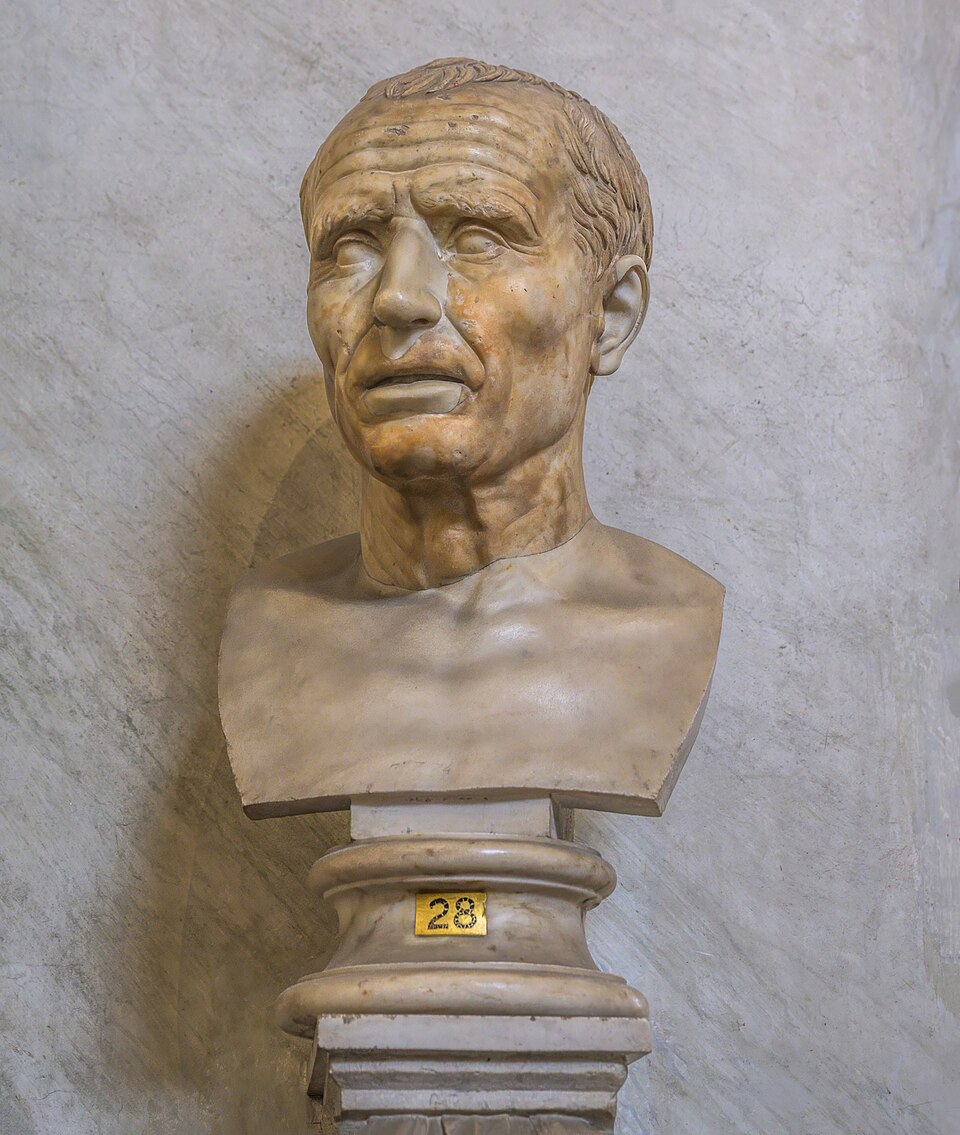
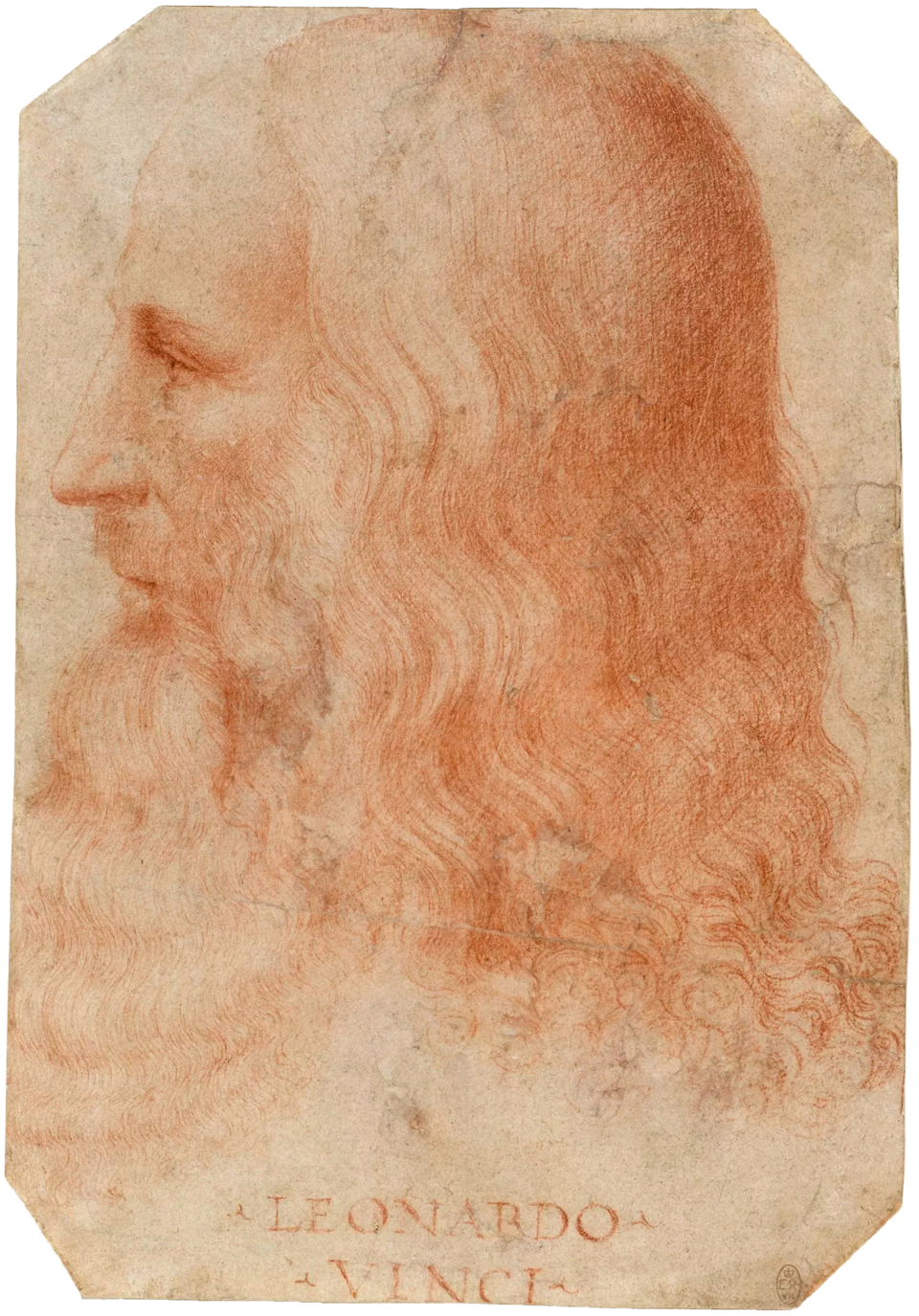
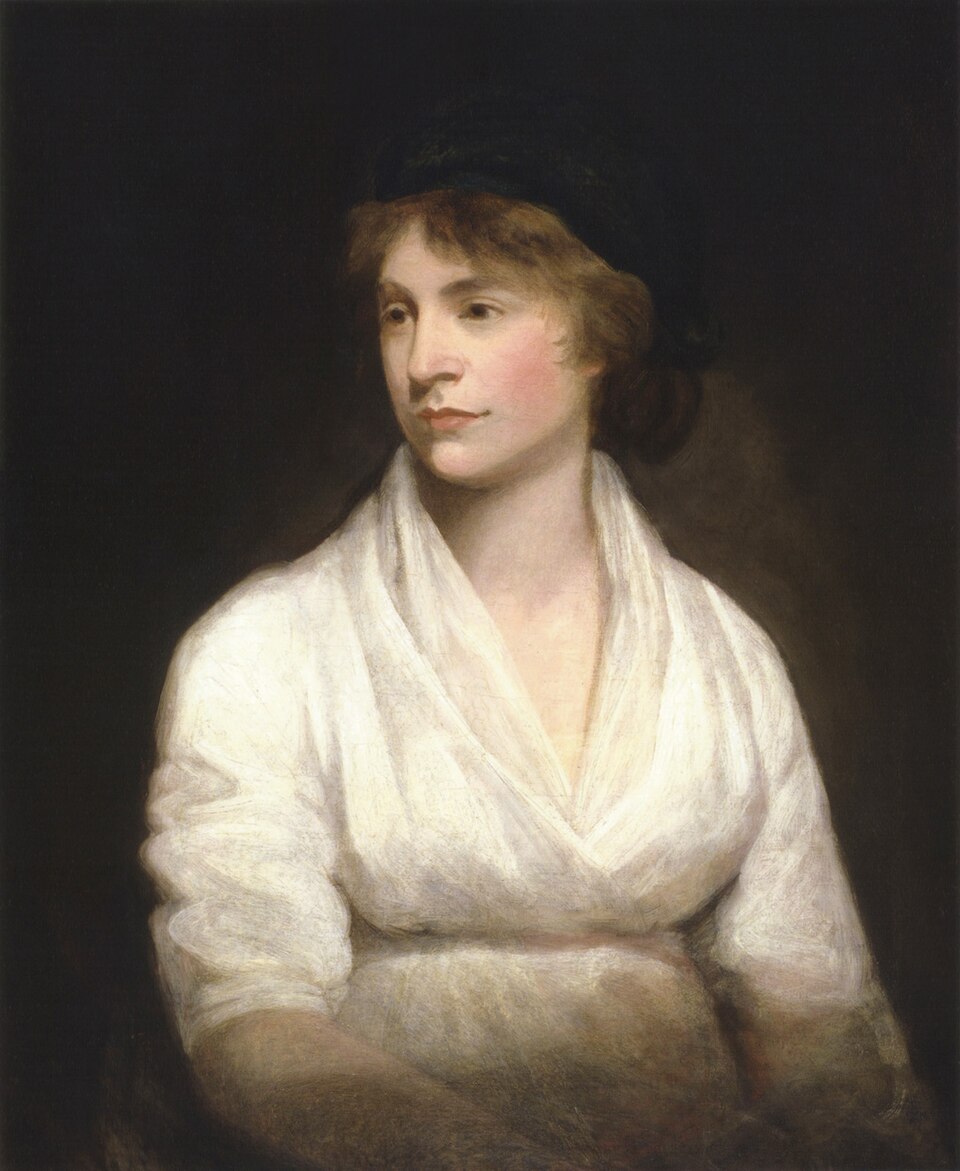
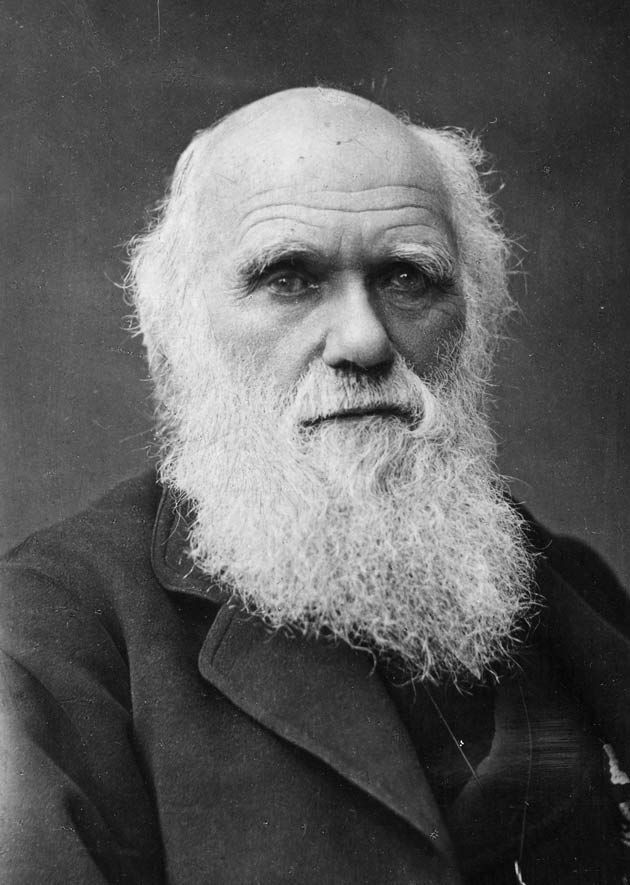
Morality isn't fixed; what counts as right depends on culture, institutions, and needs. So human moral nature varies by context.
People wear different masks in different lands. Morality shifts with power, culture, and circumstance.
Reason is in us all, but virtue wears many faces across cultures. The core pull toward virtue remains, even as contexts mold behavior.
Humans are essentially good; education and ritual awaken the benevolence already in us across societies.
Across realms and eras, virtue and vice shift with power and culture. Context makes the man and the state.
Morality varies by context; cultures, history, and power redraw the lines between virtue and vice.
Humans share a universal capacity for reason and virtue. Education and social conditions shape how that virtue shows up in different contexts.
Morality grows from our evolved social instincts; different places need different norms, so it varies by context.
We're blank slates with social instincts. A kid raised in Oslo and one raised in a warzone end up wildly different—because culture, incentives, and institutions do the heavy lifting, not some fixed moral DNA.
Humans are born morally neutral; society writes the rules. Culture, incentives, and upbringing turn the same raw instincts into kindness or cruelty.
People are biologically wired to look out for number one. Every so-called act of altruism is just a hidden survival strategy to protect our own interests.
We're blank slates molded by culture and rules. Societies turn neutral humans into saints or monsters.
Human moral nature varies by context. Our capacity for empathy and selfishness shifts with culture, institutions, and circumstance.
4. Human moral nature varies by context. Like water, we bend with culture, discipline, and choice.
I believe folks carry a spark of good, but how it shows up depends on culture and power. Morality ain't fixed; it changes with context.
We carry a seed of love. Yet culture and circumstance tune the song we live.