Vaporizing 200,000 civilians—mostly women and children—is never justified. Japan was already seeking surrender, and the bombs were more about flexing on the Soviets than ending the war.
Yes. It forced a brutal war to end fast and likely spared millions from a mainland invasion and prolonged firebombing.
This remains a fiercely debated historical issue. Supporters argue the bombings ended the war quickly, while critics highlight the devastating civilian toll.
The bombs were justified. They forced Japan's surrender and avoided a brutal invasion that would've killed millions more on both sides.
Yes. Dropping the bombs forced Japan to surrender quickly, ending the war and sparing far more lives than a ground invasion would have.
No. Civilians paid the price for a choice born of fear; there were other ways to end the war without mass annihilation.
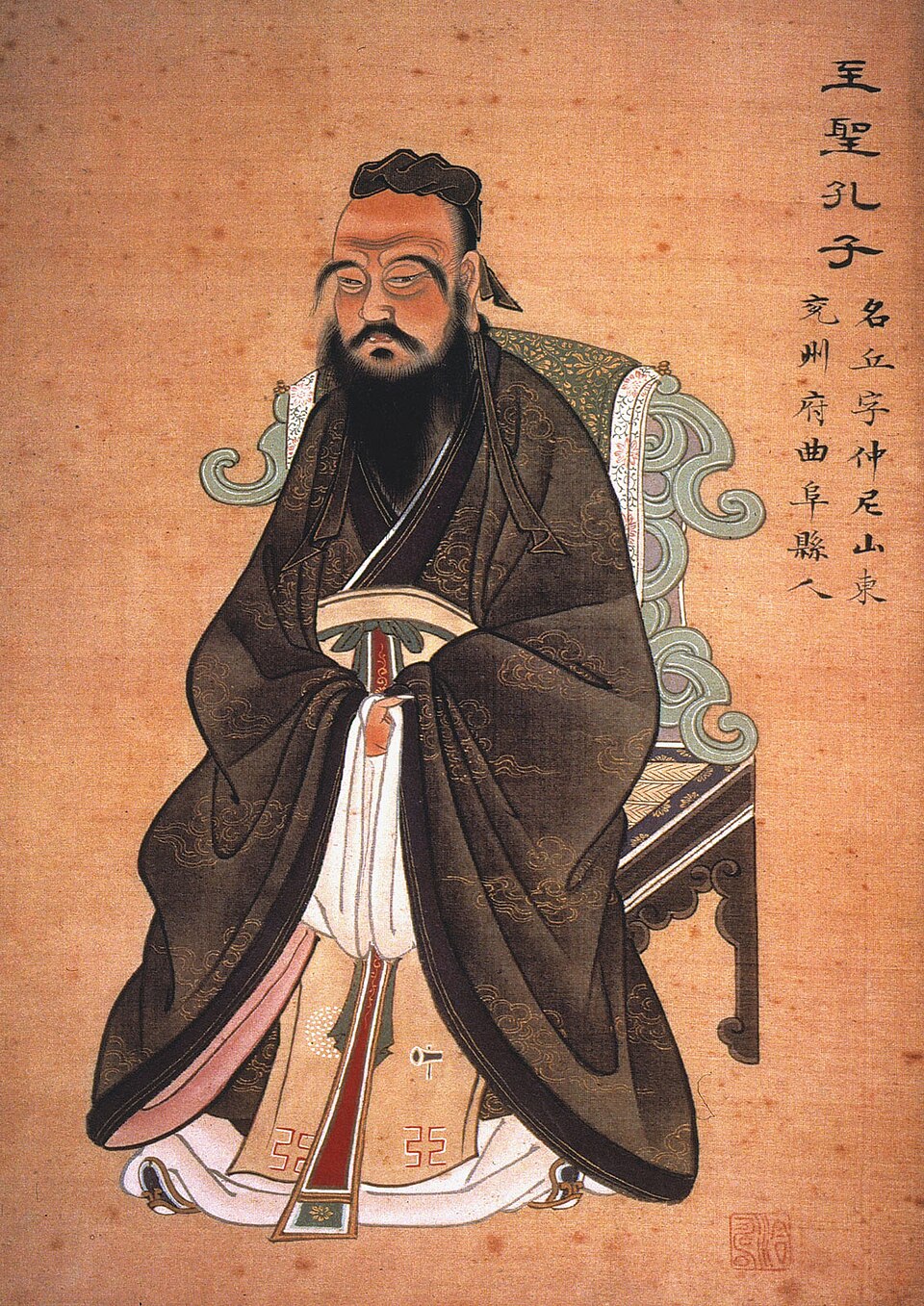
No, a ruler must govern with benevolence; mass civilian death betrays harmony and trust, even if it ends the war.
Yes, it ended the war quickly and saved more lives than a drawn-out invasion could have.
Yes. It ended the war swiftly, sparing more lives than a brutal invasion would have.
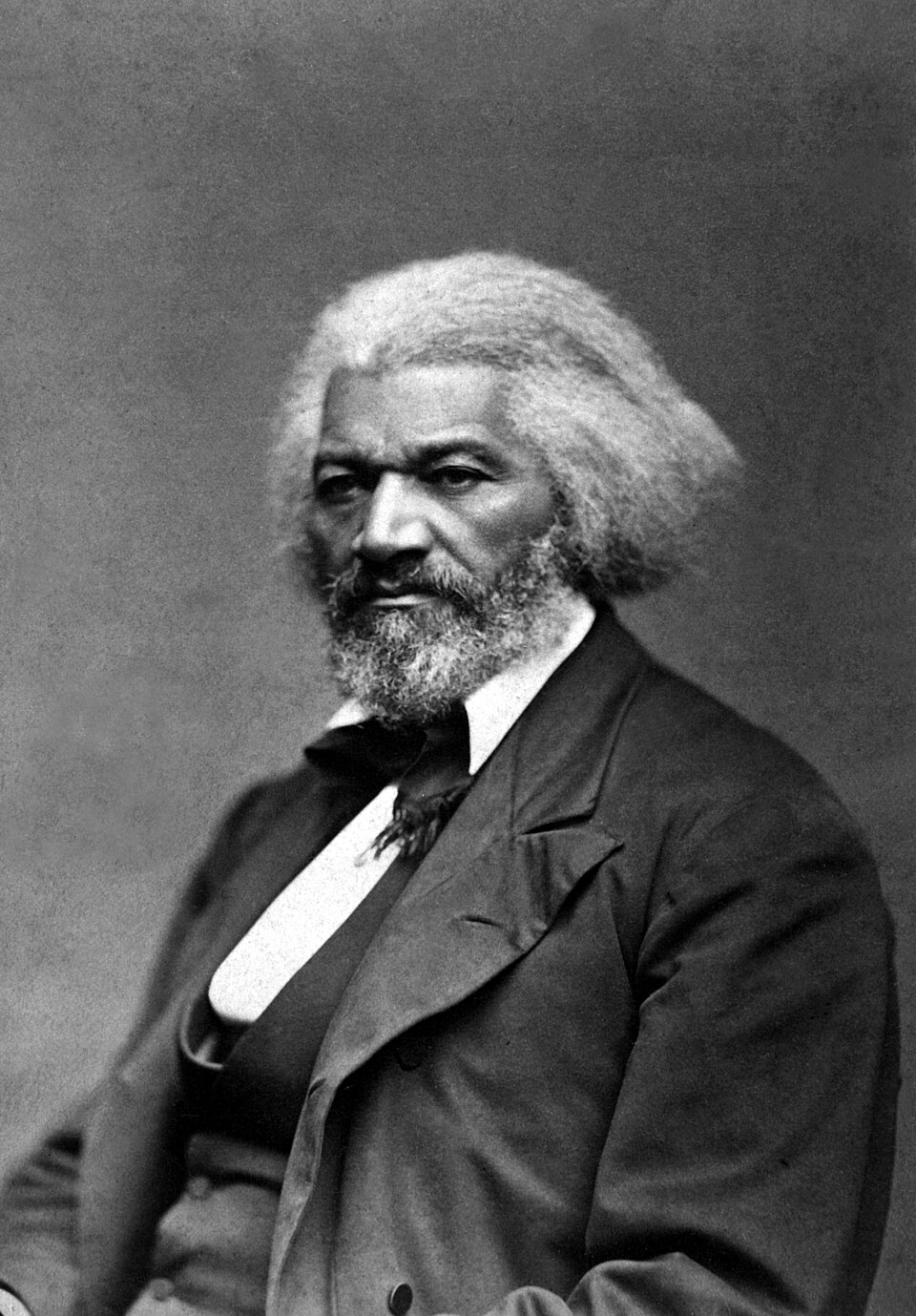
No. Ending the war by killing civilians betrays liberty; blockade or diplomacy could have saved lives without such horror.
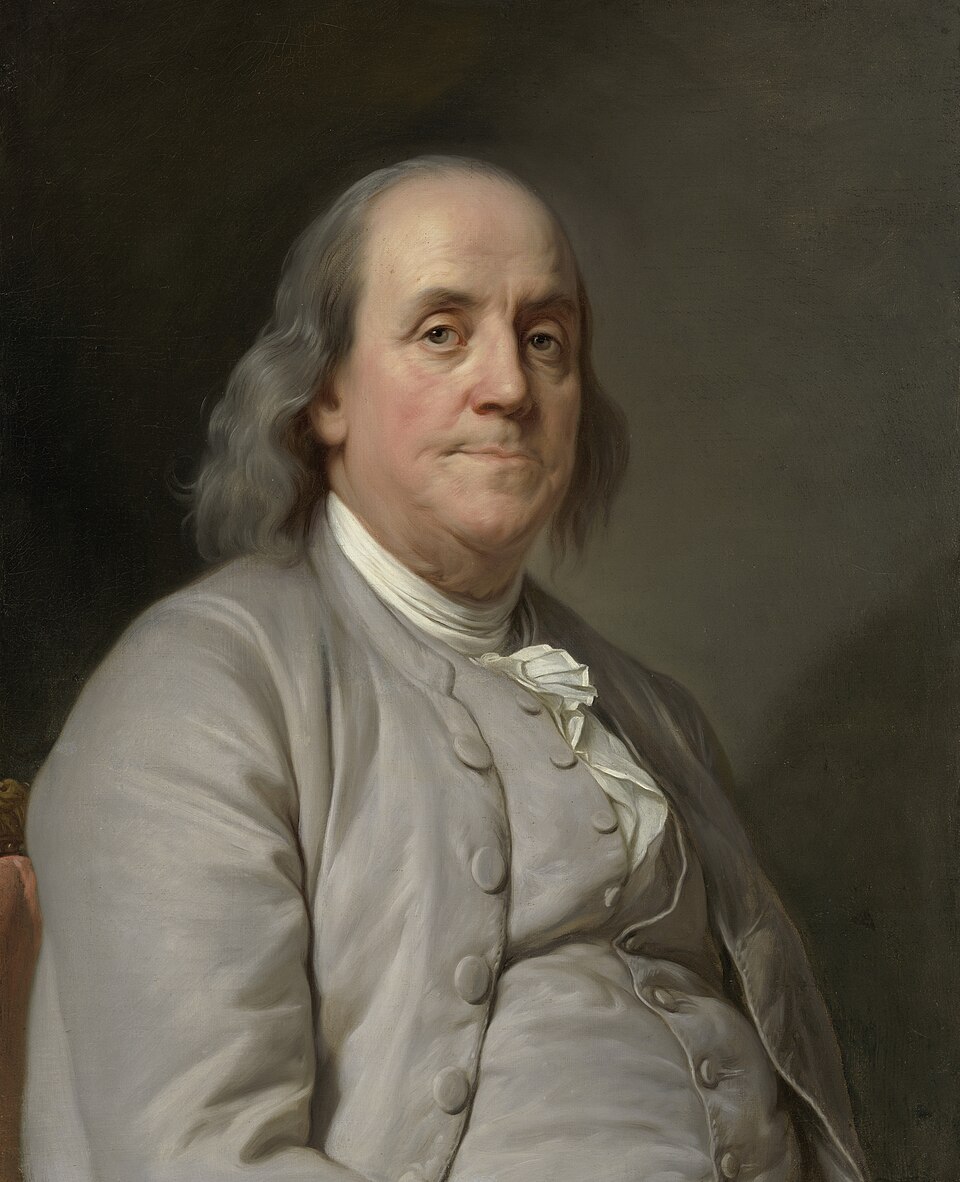
Yes. Ending the war quickly saved more lives than a land invasion would have cost. It kept trade and prosperity for the commonwealth.
No. Dropping bombs on civilians violates universal rights; true justice in war comes from reason, not mass destruction.
No. Dropping bombs on civilians violates the basic humanity we demand for all people, even in war.
No. Ends do not justify mass murder; atom bombs turned victory into a carnival of annihilation, a miscalculation dressed as necessity.
No, mass civilian suffering isn’t chic; war should save lives, not leave a nuclear scar. diplomacy and blockade could have ended it.